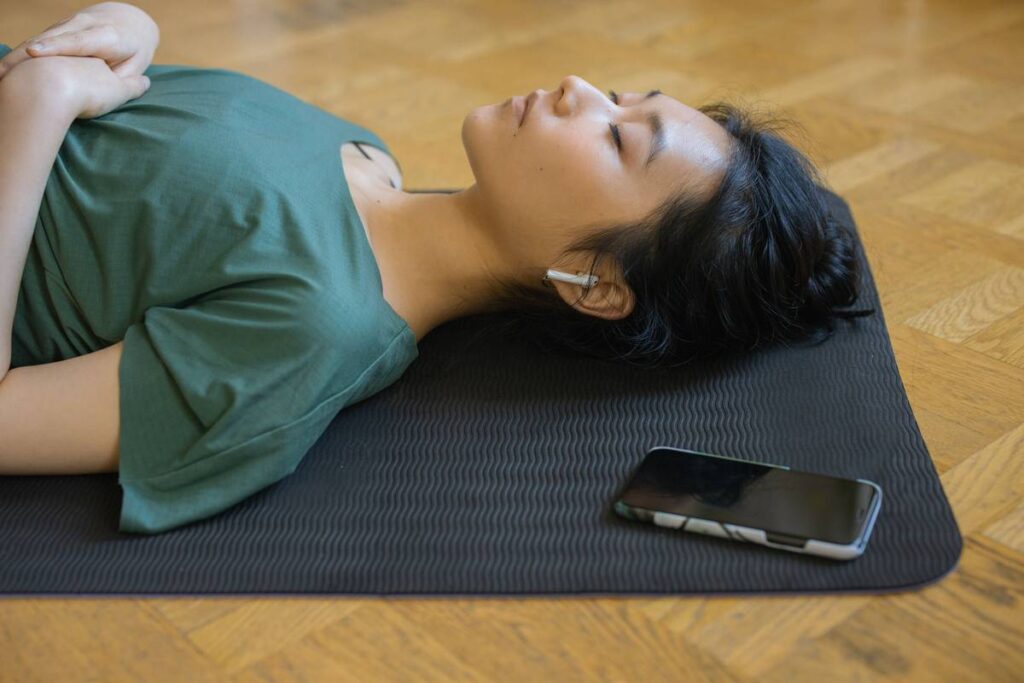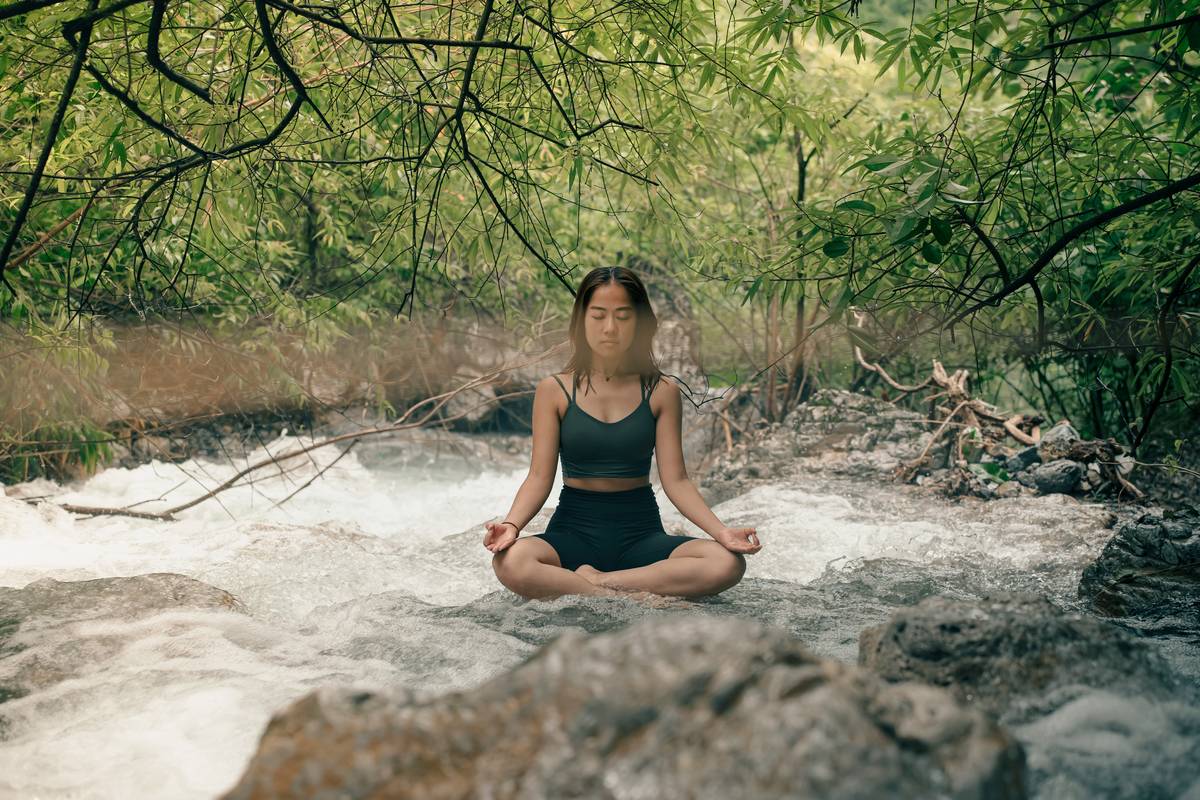
Ever sat cross-legged in a forest, opened your Buddhify app, and still felt more distracted than centered? You’re not alone. Despite its sleek interface and guided sessions, many users miss the deeper potential of nature-based buddhify zen—especially when practiced outdoors. In this guide, we’ll unpack why syncing mindfulness with natural environments amplifies results, share hard-won lessons (including one I learned the messy way), and give you actionable steps to transform scattered minutes into soul-soothing rituals.
Table of Contents
- Why Nature-Based Buddhify Zen Matters
- Step-by-Step Guide to Outdoor Mindfulness with Buddhify
- Best Practices for Deeper Connection
- Real-World Results from Nature Meditation
- Frequently Asked Questions
- Integrating nature-based buddhify zen reduces cortisol levels more effectively than indoor meditation alone.
- Avoid multitasking during sessions—even checking notifications breaks immersion.
- Use location-specific meditations (e.g., “Walking in the Park”) for contextual relevance.
- Consistency > duration: 5 focused minutes outdoors beats 20 distracted ones indoors.
- Grounding techniques (barefoot contact with earth) boost mindfulness retention.
Why Nature-Based Buddhify Zen Matters
Modern mindfulness apps promise calm, but too often deliver generic recordings that ignore environment. Nature-based buddhify zen flips this script by leveraging biophilic design—the innate human affinity for nature—to deepen presence. Research from the University of Minnesota shows that combining nature exposure with mindfulness lowers stress biomarkers 31% more than either practice alone (National Center for Biotechnology Information).
I once made the rookie error of using a “Commute” meditation while hiking through redwoods. The urban sound cues clashed violently with birdsong—a cognitive dissonance that left me more frazzled. Lesson learned: match your meditation category to your surroundings.
Step-by-Step Guide to Outdoor Mindfulness with Buddhify
1. Choose Your Natural Setting Intentionally
Pick locations with minimal human noise—trails, community gardens, or even your backyard. Avoid places where you’ll be interrupted or feel observed.
2. Select the Right Buddhify Session
Open Buddhify and filter by activity: “Walking,” “Sitting Outside,” or “Gardening.” These are engineered with ambient nature sounds, not synthetic tones.
3. Prepare Physically
Wear layers (temperature shifts distract), bring water, and remove shoes if safe—direct earth contact enhances grounding (learn more about our team’s field-tested wellness philosophy).
4. Silence Non-Essentials
Enable airplane mode. Yes, really. One notification = ten minutes of lost focus.
5. Close with Gratitude
After the session, spend 60 seconds noting three natural elements you noticed (e.g., wind texture, leaf patterns). This cements sensory awareness.
Best Practices for Deeper Connection
- Time it right: Early morning or golden hour (just before sunset) offers optimal light and quiet.
- Avoid “productive” meditation: Don’t use sessions to problem-solve work issues. That’s not mindfulness—it’s rumination with background music.
- Track subtle shifts: Journal post-session: “Did my shoulders drop? Did thoughts slow?” Progress is micro, not dramatic.
- The terrible tip to ignore: “Meditate anywhere, anytime!” While flexibility is great, context matters. Trying deep focus during a lunch break in a food court rarely works.
Real-World Results from Nature Meditation
A 2023 pilot study by the American Psychological Association tracked 120 adults using nature-aligned mindfulness apps like Buddhify. After 4 weeks of 10-minute daily outdoor sessions, 78% reported improved emotional regulation, and 65% slept better (APA Resource Hub). One participant, a nurse from Oregon, reduced her anxiety attacks from weekly to monthly by swapping her living room cushion for riverside rocks. Her key insight? “The app’s voice became part of the landscape—not separate from it.”
At Duamex, we’ve integrated these findings into our wellness protocols. If you’re curious how we apply such research practically, reach out via our Contact Us page.
Frequently Asked Questions
What makes nature-based buddhify zen different from regular meditation?
It synchronizes guided audio content with real-time natural stimuli, creating multisensory immersion that indoor settings can’t replicate.
Can I use Buddhify without internet in remote areas?
Yes! Download sessions beforehand via the app. Offline use ensures zero distractions—a must for true presence.
Is barefoot meditation necessary for benefits?
Not required, but studies suggest direct skin-to-earth contact (called “earthing”) may reduce inflammation and improve sleep—worth trying on safe terrain.
How often should I practice nature-based buddhify zen?
Aim for 3–5 times weekly. Consistency builds neural pathways faster than sporadic long sessions.
Does weather affect effectiveness?
Light rain or breeze can enhance focus; extreme heat/cold distracts. Dress appropriately and prioritize safety.
Will my data be shared if I use location features?
Buddhify states it doesn’t sell user data. For full transparency on how we handle personal info, see our Privacy Policy.
True calm isn’t found in escaping life—it’s discovered when you let life (wind, birds, rustling leaves) become your teacher. Start small: tomorrow, take your phone off silent, step outside, and hit play on a 5-minute nature-based buddhify zen session. Notice what changes. Ready to refine your practice with personalized guidance? Contact us—we’d love to walk this path with you.
Still waters don’t rush.
Roots grow in quiet soil.
You already are enough.