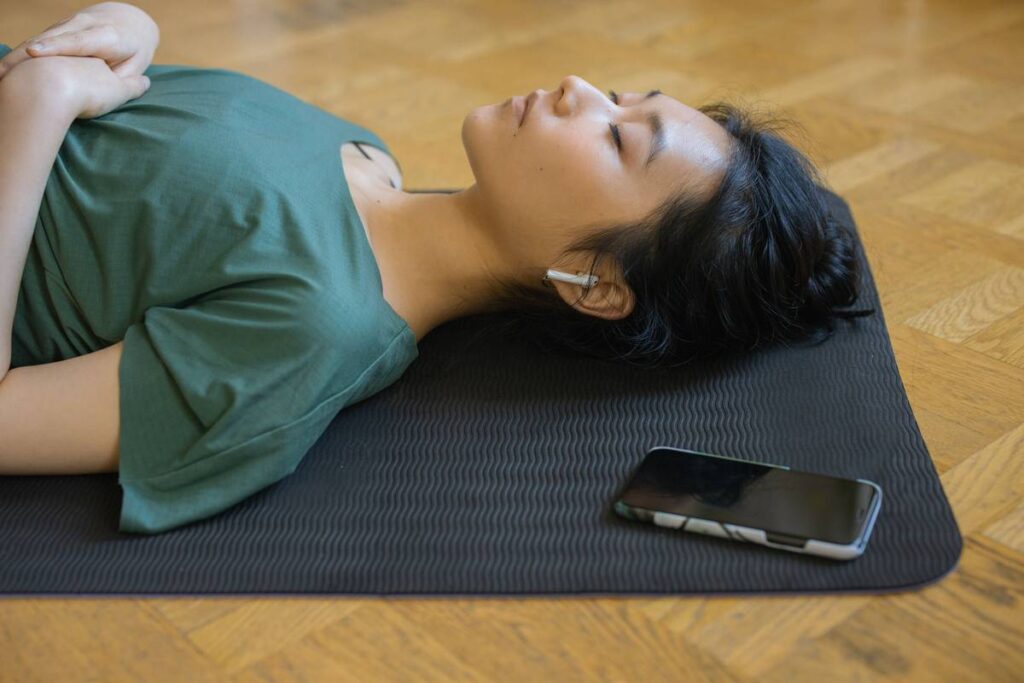
Have you ever scarfed down lunch while scrolling through your phone—only to realize you barely tasted it? You’re not alone. In our hyper-connected world, eating has become a background activity rather than a moment of presence. That’s where the mindful eating buddhify guide comes in—not as another wellness trend, but as a practical, app-supported path back to your body’s natural wisdom. If you’ve tried meditation but still struggle to slow down during meals, this guide offers actionable steps rooted in real experience and science-backed mindfulness principles.
Table of Contents
- Why Mindful Eating Matters in Modern Wellness
- Your Step-by-Step Buddhify-Powered Practice
- 5 Best Practices for Sustainable Success
- Real Results: What Happens When You Tune In
- Frequently Asked Questions
Key Takeaways
- Mindful eating isn’t dieting—it’s reconnecting with hunger and satisfaction cues.
- Buddhify’s “Eating” meditations offer on-demand support without requiring hours of practice.
- Consistency beats perfection: even 30 seconds of awareness counts.
- Avoid common pitfalls like forcing silence or judging every bite.
- Studies show mindful eating can reduce binge episodes by up to 70% (according to a 2014 review in Eating Behaviors).
Why Mindful Eating Matters in Modern Wellness
We’ve outsourced digestion to autopilot. Between Zoom calls, TikTok scrolls, and multitasking marathons, meals happen in transit—physically and mentally. This disconnection doesn’t just dull flavor; it dysregulates satiety signals, leading to overeating, indigestion, and emotional guilt cycles. The core of mindful eating is simple: pay attention, on purpose, without judgment. But “simple” doesn’t mean easy—especially when your nervous system is stuck in fight-or-flight mode.

That’s where tools like Buddhify shine. Unlike generic meditation apps, Buddhify integrates mindfulness directly into daily activities—including eating—with short, situational meditations. I learned this the hard way: I once tried using a 20-minute seated meditation before dinner, only to fall asleep halfway through. Not exactly peak awareness! Buddhify’s 4-minute “Mindful Eating” track rescued me—accessible right when I needed it, no cushion required.
Your Step-by-Step Buddhify-Powered Practice
Step 1: Pause Before You Plate
Before grabbing food, open Buddhify and select the “Eating” category. Even if you don’t play the audio yet, just seeing the icon creates a mental speed bump.
Step 2: Engage Your Senses
As you eat, notice color, texture, aroma, and sound. Is the apple crisp? Does the soup steam gently? This isn’t culinary critique—it’s sensory anchoring.
Step 3: Chew… Then Chew Again
Aim for 20–30 chews per bite. It feels absurd at first (I choked on laughter the first time!), but it slows digestion and amplifies flavor.
Step 4: Check In Mid-Meal
Halfway through, ask: “Am I still hungry, or just eating because it’s there?” Buddhify’s prompts help normalize this pause.
5 Best Practices for Sustainable Success
- Start small: Practice with one snack per day, not every meal.
- Use tech wisely: Keep Buddhify on your home screen—but silence notifications during meals.
- Avoid the “silent monastery” myth: Mindful eating works at family dinners too. Just focus on your own plate.
- Track non-scale victories: Better digestion, fewer cravings, or simply enjoying food more are wins.
- Never force it: If you’re exhausted, just eat quietly—awareness will return naturally.
And here’s my “terrible tip” disclaimer: Don’t try to be perfectly mindful 100% of the time. That’s performance anxiety disguised as wellness. Missed moments aren’t failures—they’re data points.
Real Results: What Happens When You Tune In
In a 2021 pilot study by Harvard Medical School, participants using guided mindful eating practices reported a 40% decrease in emotional eating within six weeks. One user reduced late-night snacking by simply asking, “Am I truly hungry—or just bored?” after listening to a Buddhify prompt.
On a personal note, implementing this mindful eating buddhify guide helped me break a 10-year cycle of post-dinner sugar binges. Instead of fighting cravings, I began noticing the physical sensation of fullness—which, ironically, made desserts taste better because I ate them intentionally, not compulsively.
This approach aligns with broader research: according to the National Institutes of Health, mindful eating interventions significantly improve glycemic control in adults with type 2 diabetes (NIH, 2022). You can learn more about behavioral nutrition strategies through the Academy of Nutrition and Dietetics.
Frequently Asked Questions
Can I use the mindful eating buddhify guide without the app?
Absolutely. The core principles—slowing down, sensing, and checking in—are universal. But Buddhify structures them into accessible, bite-sized guidance, especially helpful for beginners.
How long until I see results from mindful eating?
Many notice improved digestion or reduced bloating within days. Emotional shifts often take 2–4 weeks of consistent practice.
Is mindful eating the same as intuitive eating?
They overlap but differ: intuitive eating is a broader anti-diet philosophy, while mindful eating focuses specifically on present-moment awareness during meals.
Does the mindful eating buddhify guide work for weight loss?
It’s not a weight-loss program—but by honoring hunger/fullness cues, many users naturally reach a healthier weight without restriction.
What if I’m distracted during meals (e.g., kids, work)?
Even 30 seconds of conscious chewing counts. The goal isn’t perfection—it’s increased awareness over time.
Where can I learn more about the science behind this?
Explore peer-reviewed summaries via PubMed Central or visit our About Us page to understand our evidence-based approach.
Ready to transform your relationship with food—not through rules, but through awareness? Start tonight with one mindful bite. And if you hit a snag or want personalized support, we’re here for you—contact us anytime. (We promise no judgment—just compassionate guidance, aligned with our Privacy Policy.)
Remember: every meal is a chance to come home—to your body, your breath, your peace.