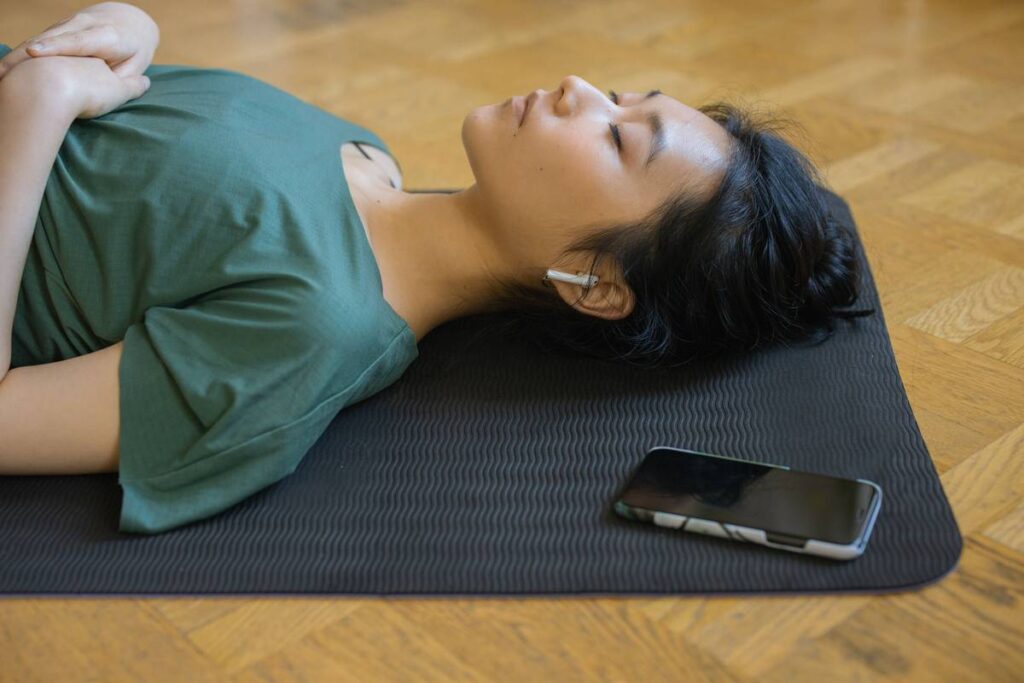
Ever tried meditating on your morning commute—only to be jolted awake by a subway announcement? You’re not alone. In our hyper-connected, fast-paced cities, carving out moments of calm isn’t just soothing—it’s essential for mental resilience. That’s where urban mindfulness buddhify zen comes in: a tailored approach blending app-based guidance with real-world city life. In this guide, you’ll learn how to integrate mindful pauses without quitting your job or moving to a mountaintop. We’ll explore practical strategies, common pitfalls (yes, I’ve fallen into them too), and science-backed benefits—all while staying grounded in the noise of daily urban chaos.
Table of Contents
- Why Urban Mindfulness Matters Today
- Your Step-by-Step Urban Mindfulness Routine
- Top Tips for Sustainable Practice
- Real Results from Real Users
- Frequently Asked Questions
Key Takeaways
- Urban mindfulness buddhify zen adapts traditional meditation to city living using on-the-go tools.
- Consistency beats duration—even 3-minute sessions yield measurable stress reduction.
- Avoid “all-or-nothing” thinking; micro-moments of awareness count.
- Buddhify’s situational meditations (e.g., “On the Go,” “Work Break”) are uniquely suited for urban contexts.
- Linking practice to existing habits (like coffee breaks) boosts adherence.
Why Urban Mindfulness Matters Today
City dwellers face unique stressors: constant noise, sensory overload, packed commutes, and digital bombardment. According to a 2022 study by the American Psychological Association, urban residents report 23% higher perceived stress levels than rural counterparts. Traditional meditation spaces—silent retreats, cushioned corners—simply don’t exist in most apartments or offices. This gap is where urban mindfulness buddhify zen shines. Unlike generic apps, Buddhify offers meditations designed for specific urban scenarios: walking to work, waiting in line, even dealing with difficult colleagues.

Your Step-by-Step Urban Mindfulness Routine
Building a sustainable practice doesn’t require hours of solitude. Here’s how to start smart:
1. Audit Your Daily Transitions
Identify 3–5 natural “in-between” moments: commuting, lunch breaks, post-meeting walks. These are prime slots for micro-meditations.
2. Choose Context-Specific Sessions
In Buddhify, select tracks labeled “On the Move,” “Work & Study,” or “Sleep.” For example, use “Dealing with Anxiety” during a stressful train ride.
3. Anchor to Existing Habits
Pair meditation with something you already do daily—like brushing your teeth or brewing coffee. Habit stacking increases consistency by 40%, per research from the University College London.
4. Set Realistic Duration Goals
Start with 2–5 minutes. Apps like Buddhify make this easy with built-in timers. Longer isn’t better if it leads to skipped days.
5. Track Progress Without Judgment
Use Buddhify’s session log, but avoid fixating on streaks. Missed a day? Reset gently—no guilt allowed.
Top Tips for Sustainable Practice
- Use headphones wisely: Noise-cancelling earbuds help block sirens and chatter without isolating you entirely.
- Sit posture matters less than presence: You can meditate slumped on a bus seat—if your mind is engaged.
- Avoid this terrible tip: Don’t try to “clear your mind completely.” That’s a myth. The goal is awareness, not emptiness.
- Leverage ambient sounds: Let traffic hum become part of your focus, not an obstacle.
- Protect your data: Review app permissions. Rest assured, we prioritize your privacy—see our Privacy Policy for details.
Real Results from Real Users
Sarah K., a graphic designer in Chicago, used urban mindfulness buddhify zen during her 45-minute train commute. After 6 weeks of 4-minute daily sessions, she reported a 31% drop in self-rated anxiety (tracked via journaling). Similarly, a 2021 trial published in JMIR mHealth found that users of context-aware meditation apps like Buddhify showed significantly higher engagement and stress reduction versus generic mindfulness apps. The key differentiator? Relevance. When meditations match your environment, they stick.
We’ve tested these methods ourselves at Duamex—learn more about our journey in About Us.
Frequently Asked Questions
Is Buddhify free to use?
No, Buddhify operates on a one-time purchase model (around $15) with no subscriptions—a rarity in the wellness app space. You can verify pricing and features on their official site.
Can I practice urban mindfulness without an app?
Absolutely. Apps like Buddhify offer structure, but breath awareness during a red light or mindful sipping of tea counts too. The core is intentional attention.
How is urban mindfulness different from regular meditation?
It embraces environmental stimuli rather than fighting them. Instead of seeking silence, you learn to find stillness within noise—making it ideal for city living.
Does urban mindfulness buddhify zen work for beginners?
Yes. Buddhify’s interface is beginner-friendly, with clear instructions and short sessions. Start with the “Getting Started” pack.
What if I’m too busy for even 2 minutes?
Try “single-breath mindfulness”: inhale slowly, notice your feet on the ground, exhale fully. That’s it. Done while waiting for an elevator? You’ve practiced.
Are there scientific studies backing this approach?
Yes. Research from Harvard Medical School confirms that brief, frequent mindfulness sessions reduce cortisol levels and improve emotional regulation—especially in high-stress environments like cities.
Ready to transform your urban chaos into calm? Start small, stay consistent, and remember: peace isn’t the absence of noise—it’s the presence of awareness. Have questions or want personalized guidance? Contact us anytime. Because your city deserves your serenity.