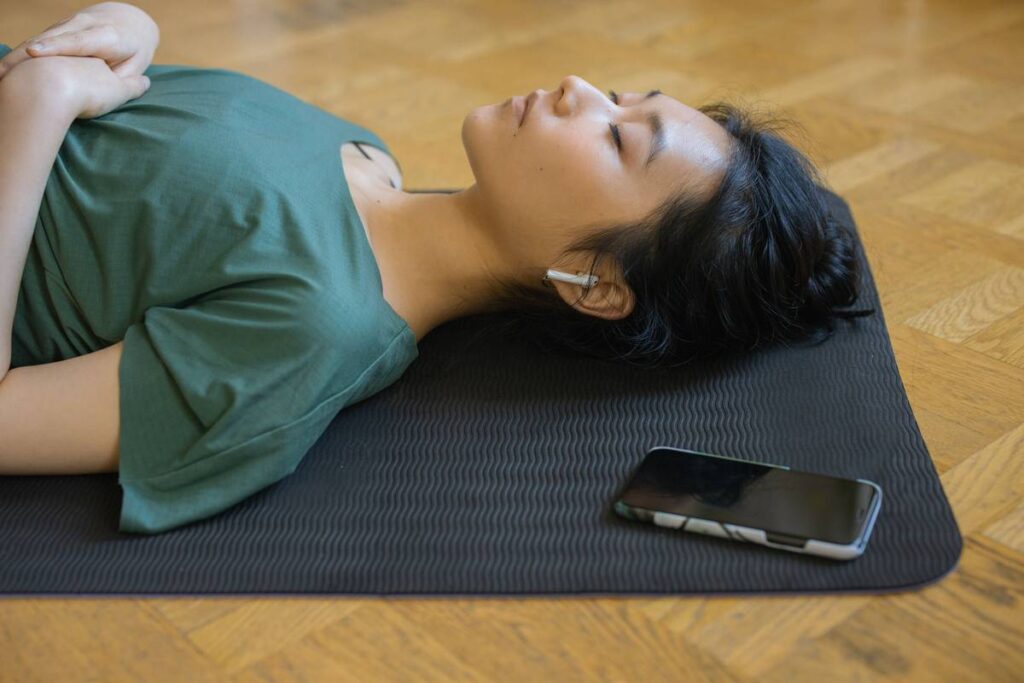
You sit. You try to focus. Your mind races—emails, deadlines, that awkward thing you said three years ago. Again. You’ve tried guided apps, breath counts, even “mindful walking.” But nothing sticks. And the irony? The harder you chase calm, the further it slips. Enter the seated stillness buddhify guide—not another meditation app plug, but a stripped-down, real-world protocol built for people who hate sitting still.
Why Most Meditation Advice Fails Urban Professionals
Standard mindfulness teachings assume silence, empty rooms, and 30-minute windows. Reality? Open-plan offices, vibrating phones, and cortisol spikes by 9 a.m. Traditional methods demand ideal conditions—conditions that simply don’t exist for 95% of working adults. So they quit. Or worse—they feel broken for failing at “something so simple.”
And here’s the kicker: most apps overcomplicate presence with layered narrations, ambient sounds, or spiritual jargon. But stillness isn’t about adding layers. It’s about subtraction.
Seated Stillness Buddhify Guide: Practical Steps That Actually Work
Forget hour-long zazen sessions. This approach leverages micro-moments—anywhere, anytime—with zero gear. The goal isn’t enlightenment. It’s interrupting reactivity before it hijacks your day.
Pick Your Anchor (Not Your Breath)
Breath focus works—until you’re stressed and breathing becomes shallow or erratic. Instead, anchor to something stable: the pressure of your sit bones on the chair, the coolness of your phone against your palm, or even the hum of your laptop fan. Sensory anchors bypass mental resistance because they’re already happening—you’re just noticing them.
Sit Like You Mean It (Posture Hacks)
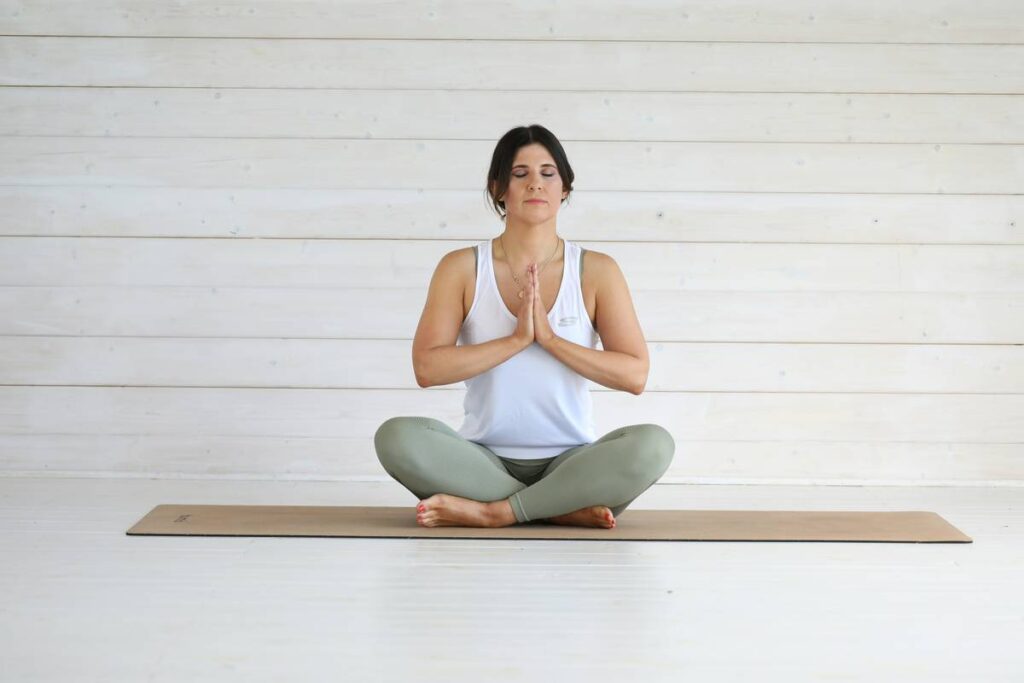
No lotus pose required. Feet flat. Spine tall but relaxed—not rigid. Hands resting lightly on thighs. Shoulders down, away from ears. This isn’t yoga—it’s ergonomic awareness. A slumped posture signals fatigue to the brain; upright posture signals readiness. Subtle shift. Big difference.
Time It Right: The 45-Second Rule
Forget 10 minutes. Start with 45 seconds—three rounds of slow inhales and exhales while tuned into your anchor. Set a silent timer. When it ends, ask: “Am I calmer? Clearer?” If yes, you’ve reset your nervous system. If not, you’ve lost less than a minute. Low risk. High upside.
| Method | Time Required | Setup Needed | Best For |
|---|---|---|---|
| Traditional Zazen | 20–45 min | Cushion, quiet room | Dedicated practitioners |
| App-Based Guided Meds | 5–20 min | Phone, headphones | Beginners needing structure |
| Seated Stillness Buddhify Guide | 45 sec – 3 min | None | Busy professionals in transit, meetings, or chaos |

The Industry Secret: Stillness Isn’t Passive—It’s Tactical
Here’s what no one tells you: seated stillness in the Buddhify framework isn’t about relaxation. It’s about creating a cognitive gap—a split-second pause between stimulus and response. Neuroscientists call it “response inhibition.” Meditators call it “non-reactivity.” Call it what you want, but this gap is where better decisions are born.
Think about it: during a tense Slack message thread, that 60-second pause lets you avoid firing off a regrettable reply. On a packed subway, it stops you from snapping at someone who bumps into you. The math is simple—more gaps = fewer emotional landmines detonated.
Most wellness content sells calm as an end state. But the real power? Using micro-stillness as a strategic tool—like a mental clutch pedal. Press it when things heat up. Shift gears smoothly. Keep driving.
Frequently Asked Questions
Can I practice seated stillness buddhify guide without the app?
Absolutely. The core technique requires no tech—just attention to physical sensation and intentional pauses. The Buddhify app offers curated tracks, but the method stands alone.
How is this different from regular mindfulness meditation?
It’s designed for interruption, not immersion. Regular mindfulness often demands withdrawal; seated stillness buddhify guide works *inside* daily friction—meetings, commutes, arguments.
What if I fall asleep during practice?
If you’re dozing off in under two minutes, you’re likely sleep-deprived—not meditating poorly. Honor that need first. Stillness thrives on alert presence, not exhaustion.