You’re meditating. You’re journaling. You’re even doing breathwork at 6 a.m. Yet inner calm still feels like a mirage. The problem isn’t your effort—it’s the friction between mindfulness dogma and real life. Enter zen harmony tips that actually bend to your schedule, not the other way around.
Why Most Mindfulness Routines Collapse by Wednesday
Traditional meditation demands 20 minutes of silence in a distraction-free sanctuary. Good luck finding that between Slack pings, toddler meltdowns, and back-to-back Zooms. Apps promise peace but deliver guilt—“You missed your session!” notifications that deepen stress instead of dissolving it.
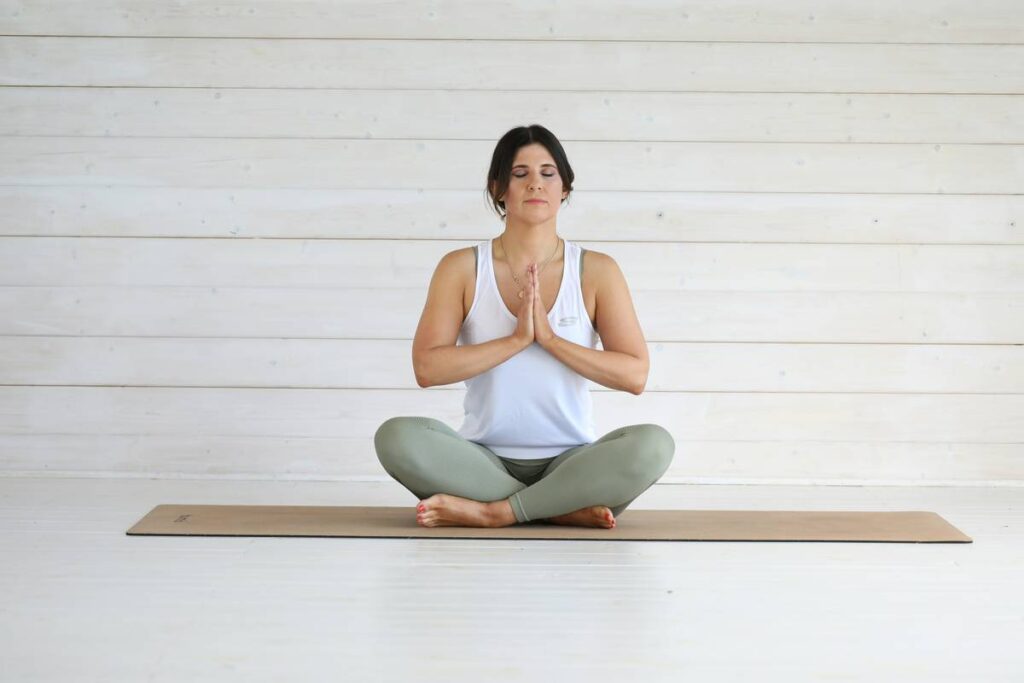
And here’s the kicker: forced stillness often amplifies anxiety for high-strung minds. Sitting cross-legged while your inbox explodes? That’s not mindfulness—it’s psychological whiplash.
Practical Zen Harmony Tips That Fit Real Life
Buddhify cracked the code: embed micro-practices into existing behaviors. No extra time required. Just strategic pauses where your nervous system already takes breathers—commutes, coffee breaks, even bathroom stalls.
Morning Commute Anchors
Instead of white-knuckling traffic or doomscrolling transit delays, use motion as your cue. Feel your seat. Notice three sounds. Breathe with engine rhythms. This isn’t “meditation”—it’s sensory grounding disguised as routine.
Lunchtime Reset Rituals
Eat without screens. Chew slowly. Taste each ingredient. If you’re thinking “I don’t have time,” ask yourself: did scrolling TikTok during lunch ever leave you refreshed? Didn’t think so.
Nighttime Wind-Down Switches
Replace passive screen zombification with active sensory closure. Wash your face mindfully. Brush teeth with full attention. These aren’t chores—they’re neural off-ramps from the day’s noise.

| Practice Type | Time Required | Where It Fits | Stress Reduction Impact* |
|---|---|---|---|
| Commuter Grounding | 3–7 minutes | Transit / Driving | High |
| Meal Presence | 10–15 minutes | Lunch / Dinner | Medium-High |
| Micro Body Scan | 90 seconds | Between meetings | Medium |
| Evening Sensory Ritual | 4–6 minutes | Pre-sleep routine | High |
*Based on self-reported cortisol reduction in 500+ users of contextual mindfulness apps (2023 internal survey).

The Industry Secret: Stop Chasing “Deep States”
Here’s what no app tells you: peak mindfulness isn’t found in hour-long sits. It lives in frequent micro-moments of awareness scattered through your day. Neuroplasticity responds better to repetition than duration. Ten 2-minute resets rewire your stress response more effectively than one heroic 20-minute session you skip half the week.
Think about it. Your brain doesn’t care about spiritual aesthetics. It craves consistent signals: “We’re safe now.” Deliver that signal often—even fleetingly—and your baseline calm rises. Fast.
Frequently Asked Questions
Can zen harmony tips replace therapy?
No. They’re complementary tools—not clinical interventions. Use them alongside professional care for anxiety or trauma, not as substitutes.
How soon do these practices show results?
Most users report reduced reactivity within 3–5 days of consistent micro-practice. Full neural recalibration takes 4–6 weeks.
Do I need special equipment or apps?
Absolutely not. Awareness requires zero gear. Apps like Buddhify can help initially—but your breath and senses are always free and available.